You Filter Your Water. Why Not Your Air?
Why the comparison makes indoor air visible, and where the analogy must stop to remain honest.
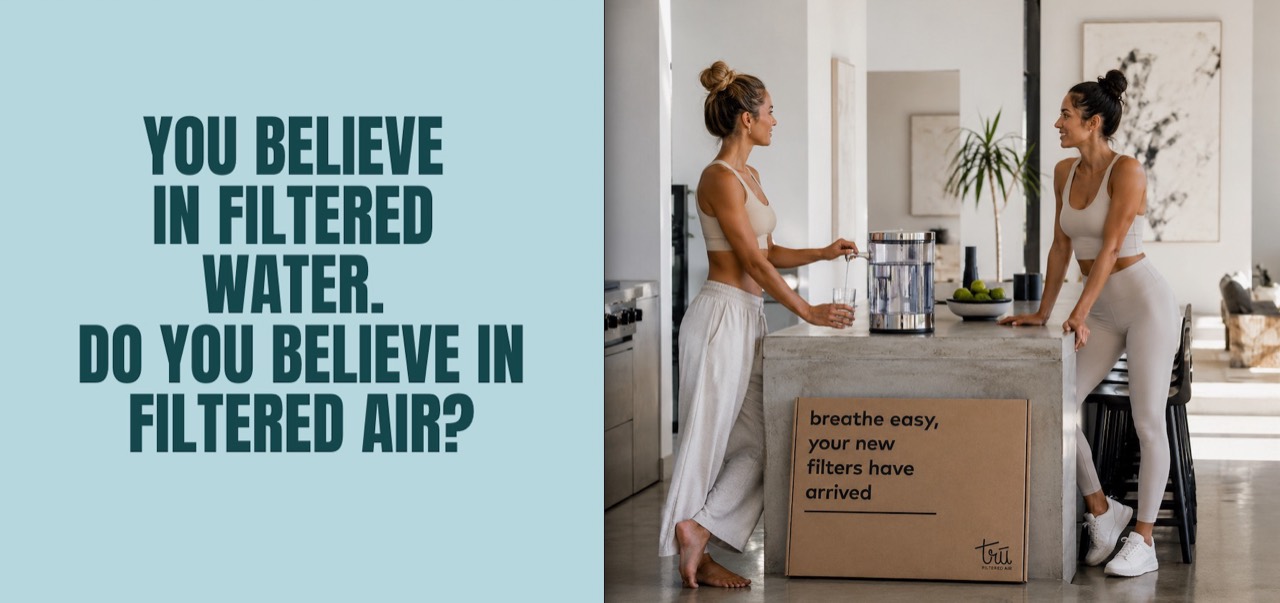
Filtered water is a useful analogy because it makes an invisible everyday input feel worth examining. Air is more complex: a central HVAC filter handles only the air that passes through the running system, and indoor-air care also requires attention to sources and ventilation. For a home with a replaceable HVAC filter, the practical decision is which compatible filter and replacement experience to choose.
To prompt attention, not to claim air and water systems are equivalent.
Media, rating, fit, airflow information, price, delivery and control.
A central filter is one part of indoor-air care.
Why the comparison is memorable
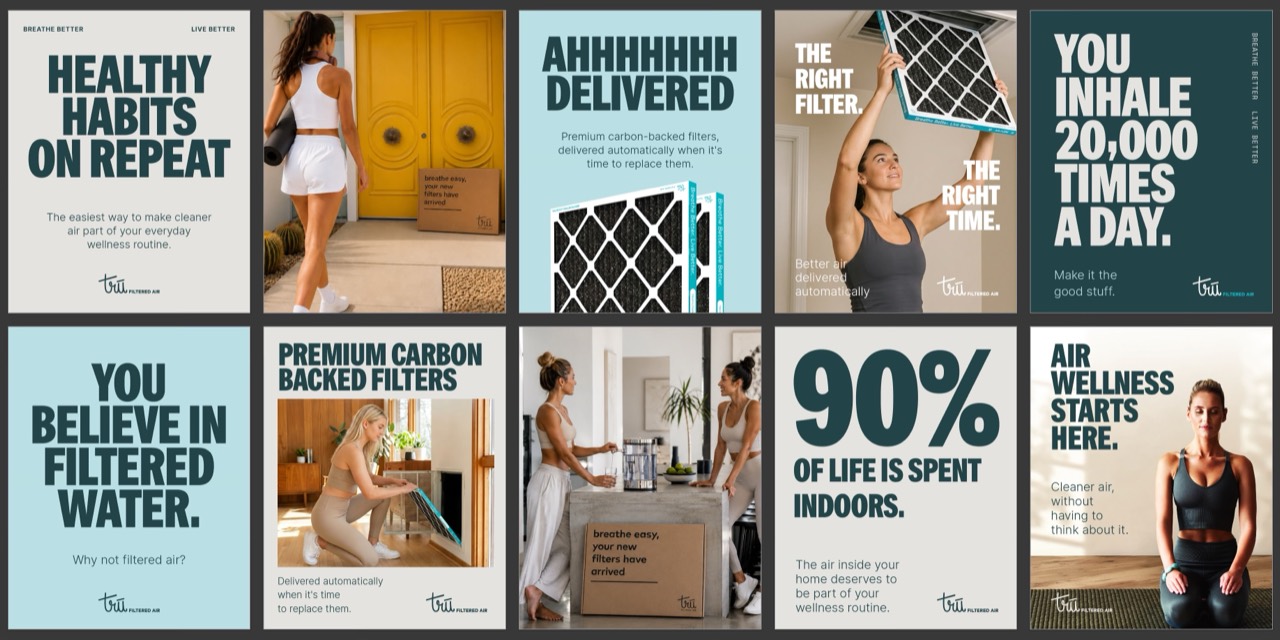
Water filtration gave consumers a familiar way to ask about an invisible input: What is in it, what treatment is being used, and what tradeoff am I choosing? “You filter your water. Why not your air?” transfers that curiosity to the home environment in one line. It can open a useful conversation because air care is usually hidden behind a return grille. The analogy works best as an invitation to notice the system, not as evidence that a particular air filter produces the same kind of result as a water filter.
Air moves through a different system
Drinking water reaches a defined tap through a plumbing system. Indoor air is continually affected by people, products, cooking, cleaning, outdoor conditions, furnishings, moisture and building operation. A central HVAC filter treats only the air that passes through it while the system is running. It does not clean every surface, stop a source from emitting, or guarantee uniform conditions in every room. EPA therefore positions filtration as a supplement to source control and ventilation, not a standalone substitute for either.
The filter also serves the equipment
A central return filter is part of the HVAC system as well as an indoor-air choice. Its exact dimensions, efficiency and airflow characteristics must work with the equipment. That is why “more filtration” cannot be selected from a lifestyle slogan alone. EPA recommends MERV 13 or as high as the system can accommodate, while TRU currently uses MERV 11 media. Homeowners should check system guidance and consider a qualified technician when compatibility is uncertain.
The honest comparison is the whole routine
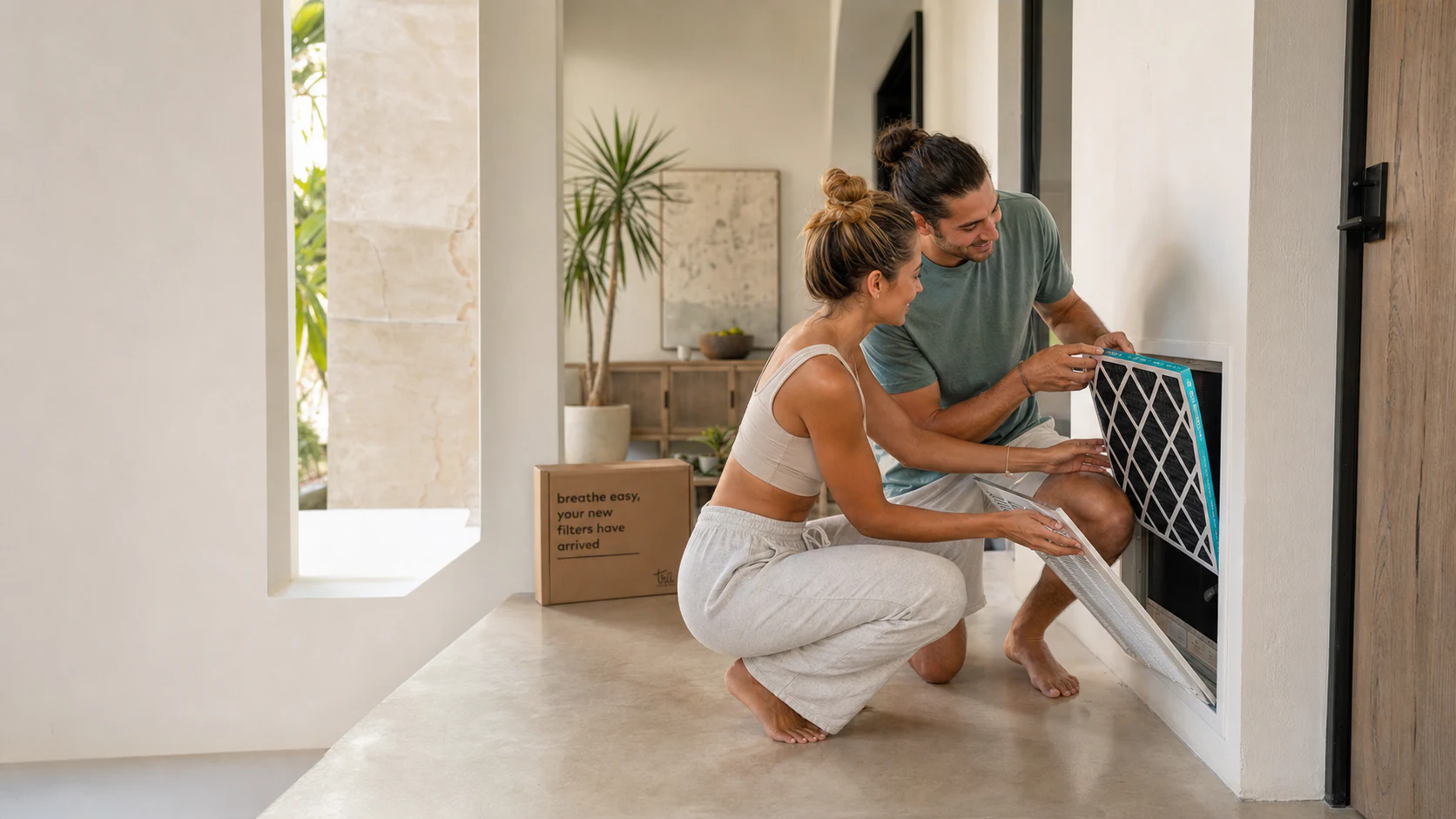
For a system that requires a replaceable filter, the recurring task exists whether the replacement comes from TRU, a home-improvement store or another supplier. Compare the media and particle rating. Check whether carbon is present and how its role is described. Confirm the exact fit. Review available airflow information. Then compare the service: price, shipping, cadence, reminders, and the ability to skip, pause or cancel. That full experience is more useful than comparing a premium subscription to “doing nothing,” because doing nothing is not a responsible maintenance plan.
Where TRU creates practical value
TRU combines MERV 11 particle media with a carbon-backed layer intended to help with certain gases and odors. Its subscription can remember the selected size and deliver on a chosen cadence. The real convenience is simple: fewer sizing searches, fewer store runs and a filter available near the intended change date. Those benefits can stand without claiming the product creates perfect air or a guaranteed health result. A buyer should still verify compatibility and adjust timing to actual conditions.
A better version of the question
The strongest takeaway is not “air and water are the same.” It is: you already make intentional choices about one invisible household input; bring the same attention to another. Look for controllable pollution sources. Ventilate when the home and outdoor conditions make it appropriate. Choose the highest-efficiency HVAC filter the system can accommodate, install it correctly and keep replacement from becoming an afterthought. TRU can make that last step easier. Air Wellness is the larger routine around it.
Read the cited guidance.
U.S. EPA: What Is Indoor Air Quality? ↗U.S. EPA: Guide to Air Cleaners in the Home ↗Educational content only. Indoor-air conditions, HVAC systems, and individual circumstances vary.